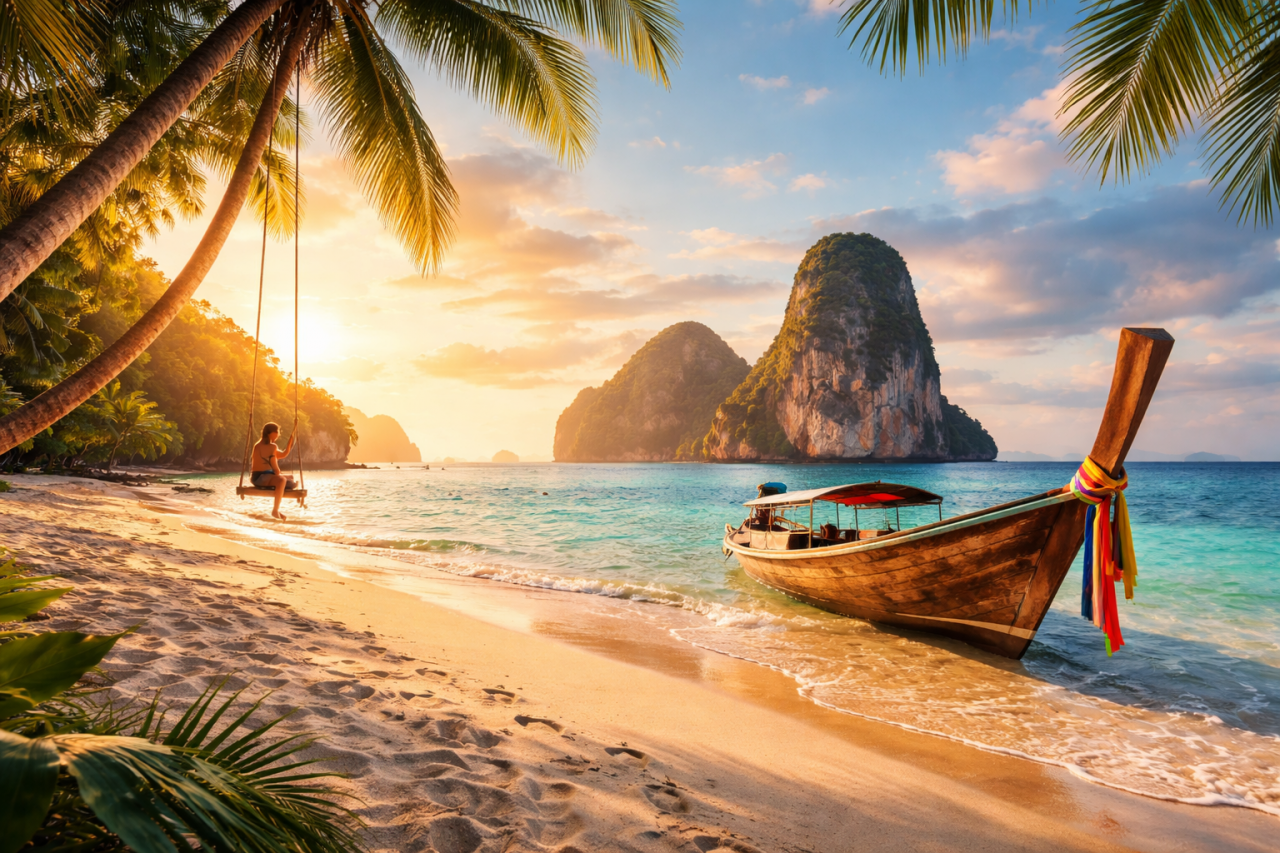
Koh Samui is the kind of island that keeps small surprises up its sleeve. Palm-fringed bays, a steady scent of grilled fish, and the soft scrape of early-morning sand underfoot. Locals move at an easy pace; visitors learn to slow down and notice the details.
Why people say Koh Samui has “the best beach”
The island has lots of beaches, each with a distinct personality. Chaweng Beach stretches with bright energy and lively bars. Maenam Beach is calm, with a long, low tide that reveals sandbars. But then there are quieter pockets where mornings feel private and the water is almost glassy.
The feeling that turns many into believers is simple: few distractions, warm water, and good access to small restaurants and honest services. It’s not about a single dramatic cliff or impossibly blue water. It’s about ease.
Best beaches to try (and what to look for)
- Chaweng Beach — busy and vibrant. Look for early-morning calm before the beach bars open. You’ll notice street vendors setting up with grilled seafood and sticky rice.
- Lamai Beach — slightly quieter than Chaweng, with a rugged southern point. Walk toward the rocks at the south end for a quieter swim and nice photo angles.
- Maenam Beach — long, peaceful, with a view of Koh Phangan across the channel. Ideal for sunset walks and casual beachside cafés.
- Bophut Beach and Fisherman’s Village — a mix of old wooden shop-houses and stylish cafés. The smell of coffee and frying garlic drifts from narrow streets.
Tip: For a truly relaxed swim, arrive right after sunrise. The sand is still cool and the water barely ruffles.
Sights that capture the island’s character
- Big Buddha Temple (Wat Phra Yai) — the 12-meter golden Buddha presides over the north coast. It’s serene in the early hours. You can search for it on Google Maps by typing: Wat Phra Yai (Big Buddha Temple), Koh Samui.
- Hin Ta and Hin Yai (Grandfather and Grandmother Rocks) — rock formations with a long local lore. They’re on Lamai Beach and are easy to spot from the shore.
- Na Muang Waterfall — two cascades set inland among shady trees. The shorter walk to the first fall has cool, mossy air and a small natural pool.
Tip: Ask a local vendor or your guesthouse host about the best time to visit each site. They’ll tell you whether it’s a quiet morning or a late-afternoon light.
Eating and drinking — small places with big flavors
Local food on Koh Samui ranges from hole-in-the-wall stalls to high-end beachfront dining. You’ll find coconut fragrance everywhere: in curries, desserts, and freshly cracked coconuts.
- Street stalls and night markets — look for grilled fish or skewers over charcoal. The scent of lemongrass and char is a good sign.
- Fisherman’s Village restaurants — a pleasant evening scene with some restaurants offering sea views and Thai fusion menus.
- Beachfront cafés — great for a slow breakfast. Try mango sticky rice or freshly pressed juices while watching fishermen check nets.
Tip: When in doubt, follow the locals. Busy stalls usually mean fresh food and quick turnover.
Where to stay (moods, not brands)
- For lively nights and lots of choices: stay near Chaweng.
- For a quieter, family-friendly stay: choose Maenam or Bophut.
- For a low-key, nature-focused trip: consider a bungalow near Lamai or one of the quieter western bays.
Practical note: Many small guesthouses and boutique hotels are clustered around the popular beaches. If you prefer solitude, ask your host for a quiet room away from the road and pool areas.
Getting around and practical tips
Scooters are the most common way to explore. Roads are narrow and sometimes windy, with shaded stretches that suddenly open onto sea views.
- Rent a scooter only if you are comfortable and insured. Helmets are essential.
- Taxis exist but can be expensive for longer trips. Songthaews (shared pickup trucks) are a budget-friendly option for short runs.
- Ferry connections — Koh Samui links to Surat Thani, Koh Phangan, and the mainland. Buy tickets from reputable counters at the pier or from your hotel.
Tip: Keep loose cash and smaller bills handy for markets and taxis. Many smaller stalls don’t accept cards.
A few respectful local customs
Thai culture values politeness and modest behavior. Small gestures go a long way.
- Dress modestly when entering temples; shoulders and knees should be covered.
- Remove shoes before entering homes and some shops.
- Smile and a small wai (hands together briefly) is always appreciated.
Tip: Learn a few words — a soft “sawadee” and “khob khun” will open more doors than you expect.
Best times to visit
High season (December–March) brings dry days and lively beaches. Shoulder seasons offer fewer crowds and better hotel deals. The southwest monsoon (around October–November) can bring heavier rain, but also dramatic skies and quieter shores.
Tip: If you want calm seas for swimming and snorkeling, aim for January–March.
Small sensory moments to look for
Hear fishermen untie nets at dawn. Taste grilled squid brushed with sweet chili. Feel the velvety sand between your toes as a stray breeze carries the scent of jasmine from a nearby garden. These are the small things that make Koh Samui more than a postcard.
Final practical checklist
- Pack reef-safe sunscreen and a hat.
- Carry a waterproof phone case for beach days.
- Bring small cash in Thai baht for markets and tips.
- Confirm ferry times a day before travel; schedules can change.
Koh Samui isn’t only a single “best beach” moment. It’s a collection of slow, sensory ones — a morning coffee with distant waves, a sunset where the sky melts to orange, an evening market full of cooked spices and laughter. Take the time to notice. The island rewards the patient.

Comments (0)
There are no comments here yet, you can be the first!