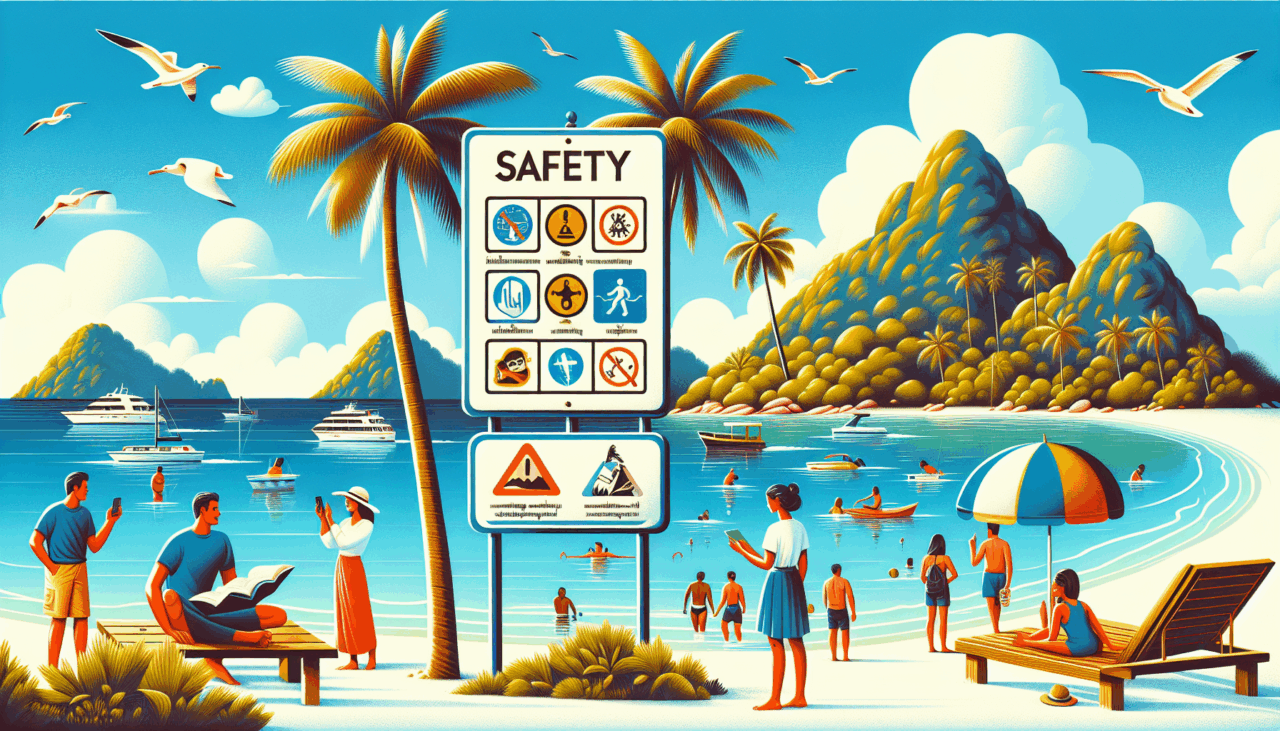
Is Koh Samui Safe? What Tourists Really Need to Know
Let’s begin with a confession: I first landed in Koh Samui with a head full of breezy Instagram reels and heart-thumping cautionary tales. Headlines about scams, motorbike mishaps, and tropical bugs had me clutching my backpack straps a little tighter on the ride from the airport. But by the time I’d watched the sunrise cast pink ribbons across Chaweng Beach, my nerves had ebbed away, replaced by something closer to wonder.
Koh Samui is, in many ways, a gentle island—its rhythm as soothing as the lapping Gulf waters. But like any tropical paradise, its tranquil surface can hide the occasional riptide. So, is Koh Samui safe? Let’s wade into the details, with a dash of humor and a sprinkle of local wisdom.
The Heartbeat of the Island: Everyday Safety
You’ll find that Koh Samui is safer than your average city, and considerably more relaxed than the feverish pace of Bangkok or Phuket. The island’s locals—often quick with a “sawasdee” and a warm smile—seem to take pride in making visitors feel at home. Violent crime is rare. Most days, the greatest danger you’ll face is a sunburn or an overzealous coconut.
That said, petty theft can happen, especially in busier tourist areas. Picture the night markets: a swirl of sizzling satay, jangling bracelets, and distracted travelers. It’s wise to keep your valuables close and your wits about you. I once lost a flip-flop to an opportunistic dog in Fisherman’s Village—hardly a crime, but a gentle reminder to keep an eye on your belongings.
Tip: Use a crossbody bag or money belt, and don’t flaunt expensive jewelry. Most hotels offer in-room safes—use them, especially if you’re heading out for a swim or a night out.
Roads: Where Adventure and Caution Collide
Here’s where Koh Samui reveals its wilder side. The island’s roads are a patchwork quilt—some stretches are smooth and inviting, while others are as unpredictable as mango season. Scooters swarm like bees, especially on the ring road that hugs the coastline. Helmets are often treated as optional accessories, and Google Maps can’t warn you about the occasional rogue chicken.
Riding a scooter here is almost a rite of passage, but it’s not for the faint of heart. If you’re new to two wheels, consider skipping the scooter and opting for taxis or tuk-tuks. The island’s songthaews—pick-up trucks with benches—are affordable and a chance to swap stories with other travelers.
Tip: If you do rent a scooter, always wear your helmet and don’t be shy about asking for a test ride. Check your travel insurance; some policies exclude motorbike accidents unless you’re properly licensed.
Nature’s Surprises: Weather, Wildlife, and the Sea
Koh Samui’s weather is as mercurial as a street cat. Sun can give way to sudden, drenching rain—what locals call “liquid sunshine.” Storms pass quickly, but flash flooding can turn roads into rivers. If you see ominous clouds gathering over Lamai, take it as your cue for a lazy afternoon massage or a coconut ice cream break.
The sea is generally safe, but heed red flags on the beach. Rip currents, though rare, can sweep even strong swimmers off their feet. And while jellyfish are uncommon, they do drift in occasionally. I still remember the startled yelp of a sunburned Brit who mistook a drifting plastic bag for a jellyfish—humbling for both man and marine life.
Tip: Swim at lifeguarded beaches, and ask locals about sea conditions. If you’re snorkeling or diving, always go with a reputable operator.
Cultural Nuances: Respect and Reciprocity
Safety in Koh Samui isn’t just about avoiding mishaps—it’s about understanding the subtle choreography of island life. Thais value “sanuk”—the joy of living—and graciousness is their social currency. Lose your temper, and you’ll find doors (literal and metaphorical) closing fast.
Dress modestly when visiting temples, and don’t point your feet at Buddha statues. Smile often; it opens more doors than any password or PIN.
Tip: Learn a few phrases in Thai, even if just “thank you” (khop khun ka/krap). The effort is always appreciated.
Medical Care and Emergencies
For an island, Koh Samui boasts impressive healthcare. There are international hospitals with English-speaking staff, and pharmacies are plentiful. Most minor ailments—sunburn, stomach bugs, the odd scrapped knee from a scooter tumble—can be sorted swiftly.
Tip: Carry a basic first aid kit, and have your travel insurance details handy. In emergencies, the number to call is 1669.
The Bottom Line: Embrace, but Don’t Abandon, Caution
To ask “Is Koh Samui safe?” is a bit like asking if the ocean is blue. Most days, yes, dazzlingly so—but it pays to watch for the occasional shadow in the waves.
Let curiosity be your compass, and common sense your anchor. Savor the pad Thai at a roadside stall, but maybe skip the pufferfish sushi. Wander the night markets, but keep your bag zipped. Ride a scooter if you feel confident, or let the songthaew carry you wherever the sunset points.
Koh Samui is a place where the extraordinary and the everyday mingle on sandy shores and in coconut groves. With a bit of caution—and a spirit open to surprises—you’ll find your own safe harbor here.
And if you do lose a flip-flop to a street dog, consider it a fair trade for a story worth telling.

Comments (0)
There are no comments here yet, you can be the first!