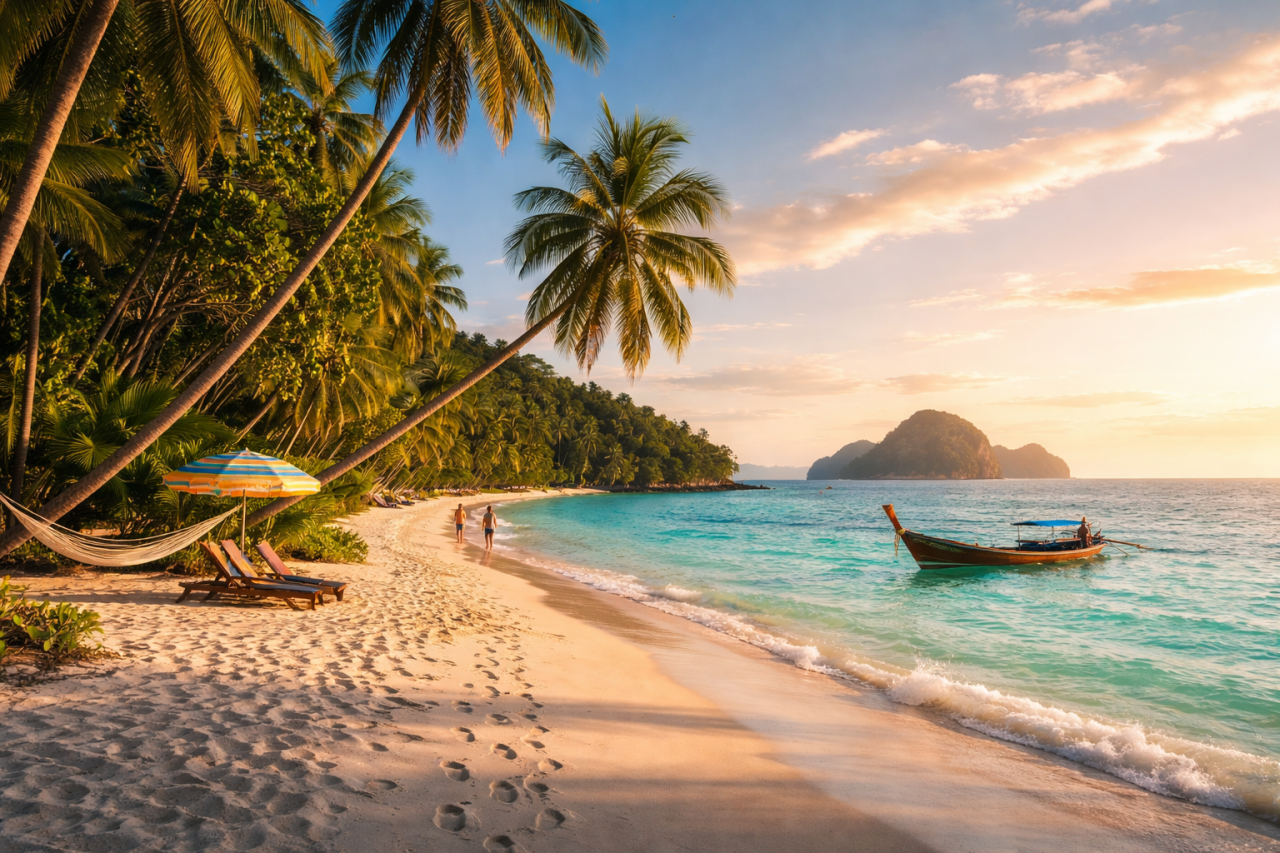
There is a softness to early mornings on Koh Samui that does not announce itself. Light arrives in stages — a pale ribbon through coconut fronds, the first quiet scrape of a sandal on sand — and the island seems to hold its breath until the market vendors place their first baskets. I have come to value that hush. It teaches you a way to notice small things: the grain of coral in the sand, the tilt of a fisherman’s hat, the way air tastes after rain.
Below I want to point you toward a stretch of coast many visitors overlook. It is not flashy and it is not lonely in the manufactured sense; it has a patient character and practical charms that reward a slow gaze.
The beach most people miss
There is a tendency on Koh Samui to rush between famous names: Chaweng Beach, Lamai Beach, and the tourist corridors anchored around them. Those places make sense — bright life, conveniences, and easy transport. Yet, just a little way off the beaten path, you find small coves and quieter shingle that keep a steadier rhythm.
One of those quieter stretches is found along the island’s northern and northeastern edges, near quieter villages and low-key seafood spots. It isn’t a single famous strand everyone can name; it is a pattern of beaches where the light and the tide meet in flattering, unhurried ways. Walk a little beyond the main access points at the end of piers and you will often be rewarded with a private arc of sand, palms leaning like borrowed umbrellas, and water that clears with the afternoon.
Tip: Search for “Bang Por Beach”, “Bophut Beach”, and the quieter pockets north of Maenam to explore this less crowded coastal rhythm. You can search for these names on Google Maps by typing: Bang Por Beach; Bophut Beach; Maenam Beach.
How to find that quieter stretch
Leave the habit of planning every minute. Give yourself an afternoon without appointments and ride a scooter or take a local songthaew along the smaller coastal roads. The island’s interior roads rise and fall like old palms; they ask you to slow down.
- Start early or late. Dawn and late afternoon are when the light is best and crowds thin.
- Follow the smell of the sea. Sometimes the best access is from a narrow dirt lane that locals use.
- Respect private property. Many quieter coves are adjacent to houses or small resorts; stay on public access points.
If you prefer more structure, look for small piers and community access points near Bang Por and the northern reaches. These often lead to shallow, calm water good for swimming and snorkeling with fewer people around.
What to bring and how to behave
There is a simplicity to spending a day on a quieter Samui beach that rewards restraint.
- Bring reef-safe sunscreen and a hat. The light is generous and the sky is often clear.
- Carry water and a small snack. Local shops exist, but the quieter the beach, the fewer the vendors.
- Take a reusable bag for any trash. The island is much cleaner when visitors take responsibility for what they bring.
- Keep noise low and photography discreet. Part of the charm here is the soft human scale; preserve it.
In small fishing villages, early morning is market time. Buy a few papayas or a grilled fish from stalls where people work with the same small, practiced gestures they have for decades. A brief purchase is the simplest way to offer thanks and support local livelihoods.
Nearby places worth a slow visit
These are not crowded attractions so much as useful anchors for a day well spent on the quieter coasts.
- Big Buddha Temple (Wat Phra Yai): The statue sits with an unhurried gaze and gives a wide view of the northern coast. Search for: Wat Phra Yai (Big Buddha) on Google Maps.
- Fisherman’s Village Walking Street, Bophut: The evening market can be lively, but the village itself keeps an old-world cadence in its shops and restaurants. Search for: Fisherman’s Village Bophut on Google Maps.
- Bang Por Beach: A long, low shoreline that handles wind and tide with patience. Search for: Bang Por Beach on Google Maps.
Visit these places with modest expectations. The point is not to check boxes, but to stitch together a day that lets the island show you small pleasures.
Food and drink — practical, honest choices
The island’s culinary pleasures are rarely theatrical. They reveal themselves in the steady competence of a cook who has grilled fish the same way for years.
- Look for beachfront seafood restaurants where the catch is displayed and the menu is simply written on a chalkboard.
- Try a small som tam (green papaya salad) from a local stall — it’s frequently bright, sharp, and made without pretense.
- For coffee, seek a low-key café with shade, a fan, and a table that has seen a few rainy seasons.
A note on prices: the closer you are to the major beaches the higher the bill tends to be. A short ride inland or along the quieter coastal lanes will often find friendlier prices and more authentic flavors.
Practicalities: transport, timing, and safety
Koh Samui is easy to move around, but the island rewards a patient pace.
- Scooter rental is the common way to explore. Choose a well-maintained bike and carry your international driving permit if you have one.
- Songthaews and private taxis run between the main towns; negotiate a price before you climb in.
- Beware of sudden weather changes in the monsoon season. A bright morning can turn into a heavy shower; plan for shelter and avoid swimming in rough conditions.
If you go snorkeling, choose calm days and shallow reefs. The currents around Samui can be steady; local operators know where to go and when to stay back.
A few quiet observations
A beach is not only a place to see but a way to slow the tempo of your day. On quieter coves you notice details: an old boat repaired yet again, a child arranging shells, a dog that knows every rhythm of the tide. These are small human measures of an island that has weathered more visitors than it will ever need.
Being present on those less-trodden shores asks for simple courtesies: patience, curiosity, and a readiness to listen. If you carry those with you, the island gives back more than a view. It gives you a place to breathe for a while.
Final practical pointers
- Bring cash: small vendors often prefer it.
- Learn a few Thai phrases; a quiet hello and thank you go farther than you expect.
- Avoid taking shells or coral. The small things belong to the shore as much as the tide.
If you go, move slowly. Sit with your coffee until it cools. Walk the sand with no schedule. These are the ways to find what most people miss: not a single secret beach, but a quieter way of being on Samui that stays with you after the trip.

Comments (0)
There are no comments here yet, you can be the first!