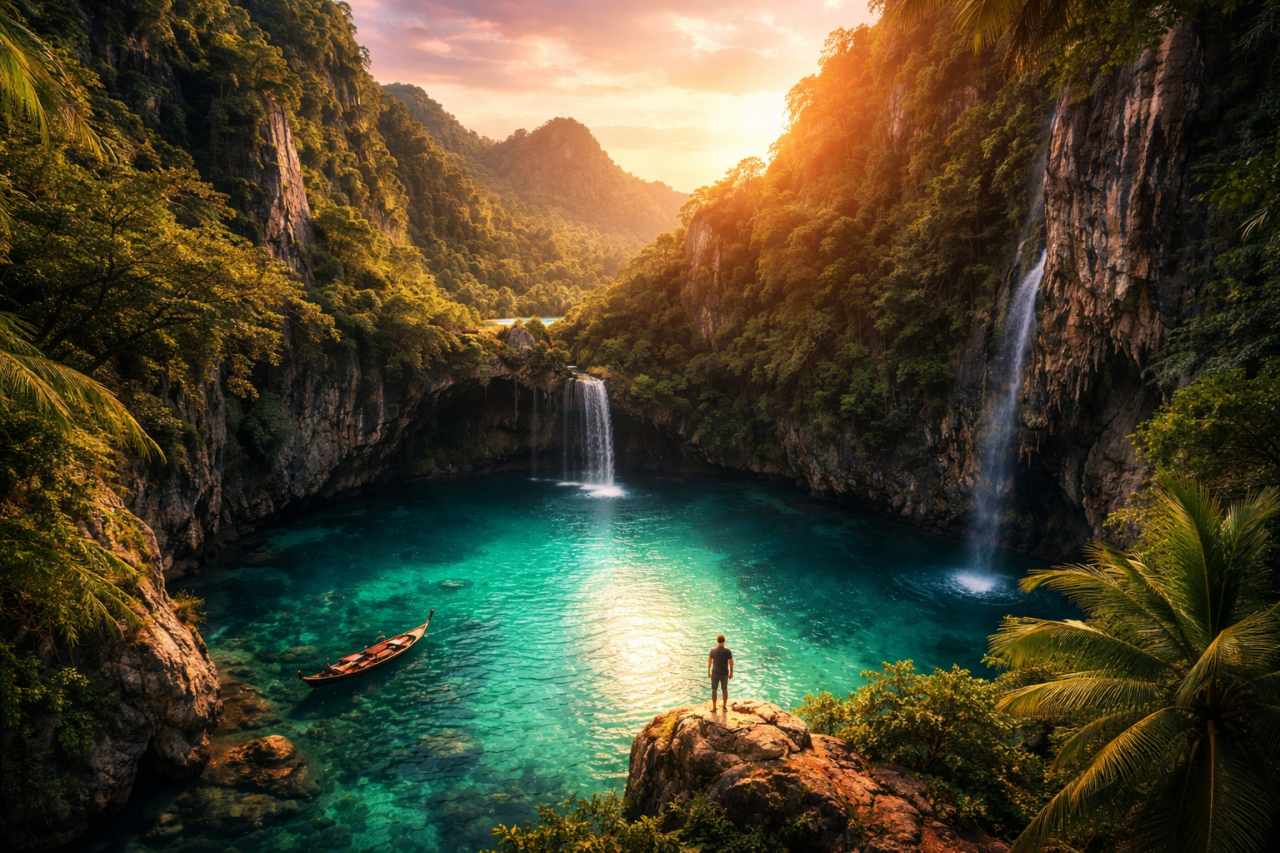
Koh Samui arrives softly. Boats rock like breathing, coconut palms lean toward the water, and evenings fall with a warm, salt-sweet hush. This is not the island people imagine when they picture Thailand’s party coasts; it is quieter, layered, and full of small surprises that reward slow wandering. Below I’ll walk you through a few of those surprises — places that feel almost like private discoveries even when they’re known — and offer practical tips so you can move through them with respect and ease.
A Hidden Cove: Silver Beach (Haad Thong Ta-khian)
Silver Beach — officially Haad Thong Ta-khian — is a compact crescent of sand hugged by granite boulders and shady casuarina trees. The water is clear and calm, good for gentle snorkeling right off the shore. On quieter days you can hear fish nibbling at the rocks and the occasional motor of a distant longtail.
Tips:
– Arrive early (7–9 a.m.) to enjoy soft light and less crowding.
– There is a small slip of land and basic eateries; bring cash.
– You can search for it on Google Maps by typing: Haad Thong Ta-khian (Silver Beach).
A modest caution: the beach is small, and vendors set up during peak times. Keep your valuables in a dry bag or locked in your hotel.
The Unexpected Waterfall: Na Muang Waterfall (Na Muang 1 and Na Muang 2)
Na Muang Waterfall is two-stage and wonderfully honest — not a manicured park, but a place where jungle streams tumble over purple-hued rock. The first cascade (Na Muang 1) is an easy walk and good for a quick dip. If you’re willing to hike a little higher, Na Muang 2 offers a secluded pool and a sense of fresh, cool interior island.
Tips:
– Wear shoes that can handle wet, uneven paths.
– There may be small entrance fees; bring cash.
– You can search for it on Google Maps by typing: Na Muang Waterfall.
Historically, these falls have been a local gathering place; leave them as you found them. Don’t use soap or shampoo in the pools.
A Temple With a View: Wat Phra Yai (Big Buddha Temple)
Wat Phra Yai, commonly called the Big Buddha Temple, sits on a small island connected by a causeway in the northeast. The 12-meter seated Buddha is a steady presence, gold in the late-afternoon sun, and from the site you can watch fishing boats drift toward the horizon. The atmosphere is contemplative rather than performative; visitors often pause for a few quiet moments.
Tips:
– Dress respectfully: shoulders and knees should be covered when entering temple areas.
– Modest donations are appreciated for upkeep.
– You can search for it on Google Maps by typing: Wat Phra Yai (Big Buddha Temple).
A small historical note: the Big Buddha is a modern landmark built in the late 20th century, but the island’s maritime ties reach back far earlier.
Streetside Flavor: Fisherman’s Village Walking Street (Bophut)
On Friday nights, Fisherman’s Village in Bophut becomes a gentle parade of stalls, street food, and artisanal goods. The wooden shop-houses glow with lantern light; the scent of grilled seafood and coconut pancakes drifts along the narrow roads. It’s an excellent place to sample local dishes and buy handmade souvenirs.
Tips:
– Go hungry and try regional dishes like khao soi or fresh grilled fish.
– Bring small notes for purchases; many vendors prefer cash.
– You can search for it on Google Maps by typing: Fisherman’s Village, Bophut.
Be aware that peak hours are crowded. If you prefer a calmer visit, come late afternoon when stalls are setting up.
A Lonely Ridge Walk: Secret Buddha Garden (Magic Garden)
Tucked into the island’s central hilly spine, the Secret Buddha Garden — often called the Magic Garden — is a small, eccentric sculpture garden created by a local farmer. Statues of deities and animals sit among ferns and winding paths, and the location offers quiet, green shade with occasional mountain breezes. It feels like stumbling into someone’s private world.
Tips:
– The access road is steep and narrow; a high-clearance vehicle or cautious driving is helpful.
– Entrance is modest; take a camera and wear insect repellent.
– You can search for it on Google Maps by typing: Secret Buddha Garden (Magic Garden).
A respectful tip: the garden is a labor of love. Stay on paths and treat the sculptures gently — they are part of someone’s legacy.
A Low-Key Sunset Spot: Lipa Noi Beach
Lipa Noi is a wide, shallow beach on the west coast with long stretches of soft sand and minimal development. It’s especially kind for families and anyone who likes watching light change slowly across the sea. If you come at low tide, the sandbars extend and small pools reflect the sky like little mirrors.
Tips:
– Bring a blanket and water; there are fewer facilities than at busier beaches.
– Early evening is prime for photography; the sunsets are understated and wide.
– You can search for it on Google Maps by typing: Lipa Noi Beach.
Caution: currents can change near the edges; stay within shallow waters if you’re not a confident swimmer.
How to Get Around and Live Like a Local
Koh Samui’s roads are short but twisty. Renting a scooter is the nimblest way to explore, and it gives you the freedom to stop at roadside fruit stands or secluded viewpoints. If you’re less confident on two wheels, taxis and songthaews (shared red trucks) are widely available.
Practical tips:
– Always wear a helmet and carry a copy of your passport and insurance details.
– Fuel stations are frequent but keep an eye on the tank in more rural stretches.
– Respect local traffic norms and avoid night driving on unfamiliar roads.
A word on seasons: the island’s quieter months are outside the peak European winter. Rainy season (roughly September–November) has short heavy downpours and greener landscapes; plan accordingly.
Mindful Travel on Koh Samui
Koh Samui can feel intimate even when crowded. Small gestures go a long way: a polite wai, removing shoes before entering temple buildings, and keeping noise low in residential areas at night. Plastics and single-use waste are real problems on islands — bring a reusable water bottle and refuse unnecessary packaging where you can.
Historical note: Koh Samui’s modern tourism boomed in the 1980s and 1990s, shifting the island from coconut plantations to hospitality. That history is visible in family-run restaurants, old wooden houses, and the seasonal rhythms that still govern local life.
Final Moment: Choose One Thing to Do Slowly
If you remember one suggestion from this walk-through, let it be this: pick one place and spend an hour there without a schedule. Sit under a palm, listen to the boats, talk to a vendor, or follow a small trail. Koh Samui rewards slow attention; the island’s most convincing wonders are often the unplanned ones.
You can search for any of the places above on Google Maps by typing their names. Take your time, move quietly, and return home with a few small memories that belong to you.
Comments (0)
There are no comments here yet, you can be the first!