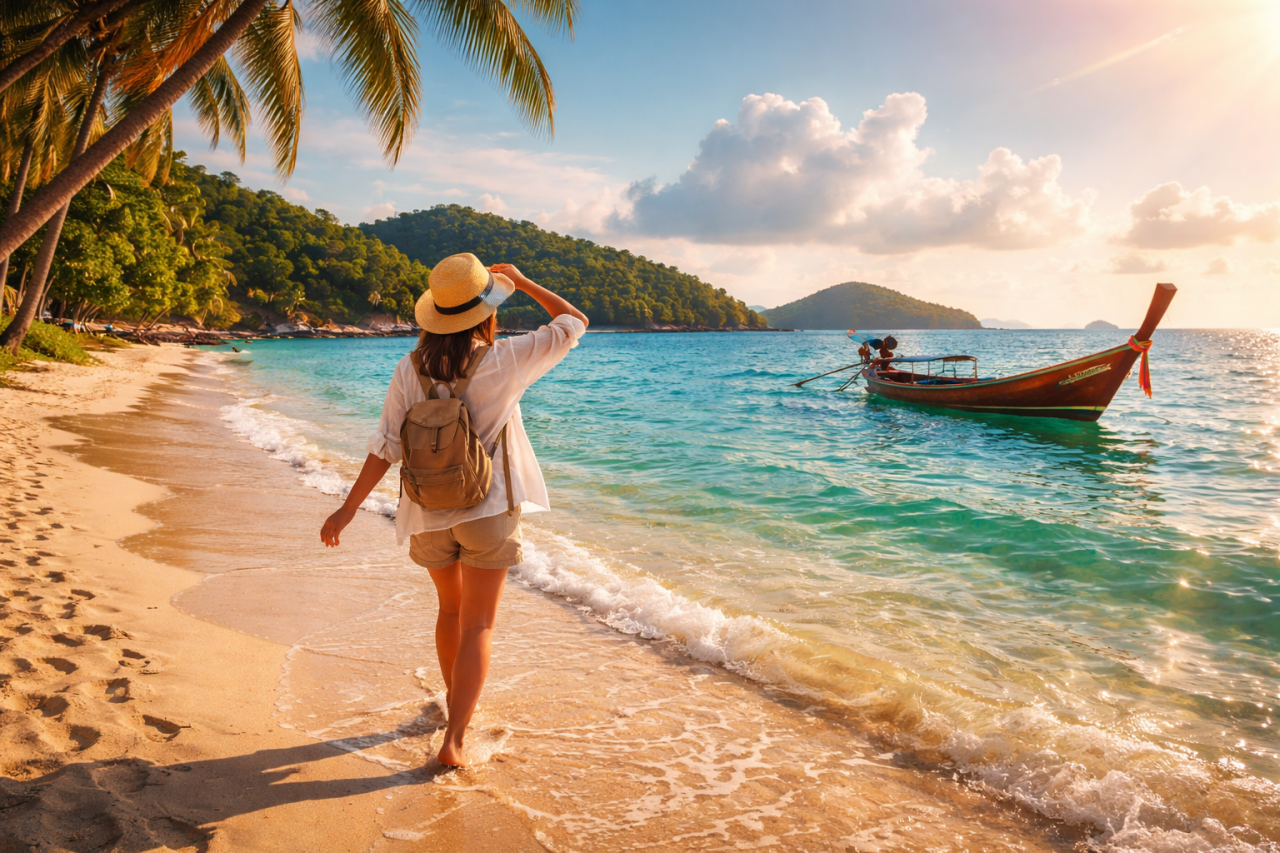
I arrived on Koh Samui with a suitcase of expectations—picture postcards of sunsets and a checklist of temples—and learned how quickly the island rearranges plans into discoveries. This is not a travel guide that rushes you; it’s the kind of note you’d fold into your pocket before taking the long-tail boat to a less-trodden cove. Read slowly. Let the details nudge you toward the places that matter.
First impressions: arrival and the slow unwrapping of Samui
The ferry threaded through a string of green islets like beads being handed over. On disembarking, the island’s rhythm was immediate: scooters, incense, and the clack of market stalls packing fruit into plastic bags. There’s a soft permission here to slow down your itinerary.
Practical arrival tips:
– If you’re coming from the mainland, plan extra time for the ferry; it often departs early and fills quickly.
– Taxis from Nathon Pier or Koh Samui Airport are metered or fixed-price—agree on the fare if it’s not clear.
– Rent a scooter only if you’re confident on narrow roads; wear a helmet and keep your valuables secure.
Beaches that surprise you (and how to visit them)
Koh Samui is known for its beaches, but the ones that linger are often the quieter coves and the pockets beside lively stretches. Each beach offers a slightly different personality—choose one to match your mood.
Chaweng Beach
– The longest and most energetic beach on the island, known for lively bars, restaurants, and strong waves in high season.
– Good for: nightlife, long walks, and beachside dining.
– You can search for it on Google Maps by typing: Chaweng Beach
Lamai Beach
– Smaller than Chaweng, Lamai feels more relaxed and often has shaded spots under casuarina trees.
– Good for: a balance of amenities and quieter stretches of sand.
– You can search for it on Google Maps by typing: Lamai Beach
Bophut Beach and Fisherman’s Village
– Bophut’s northern stretch leads into Fisherman’s Village, a row of wooden shop-houses and evening markets.
– Good for: dining and leisurely shopping, especially on the weekly walking street.
– You can search for it on Google Maps by typing: Bophut Beach and Fisherman’s Village
Maenam Beach
– A long, peaceful shoreline with views across to Koh Phangan; mornings are particularly serene.
– Good for: slow mornings and local seafood restaurants.
– You can search for it on Google Maps by typing: Maenam Beach
Secret and quiet coves
– Head east of Plai Laem or toward the island’s southern tip for small, sheltered pockets of sand.
– Tip: ask a long-tail boat operator to take you around the headlands during calm weather—their local knowledge reveals the best drop-off points.
Temples and quiet moments
Temples on Koh Samui offer gentle pauses—bells, prayer flags, and the measured movement of monks. They are places to listen more than to photograph.
Wat Phra Yai (Big Buddha)
– The 12-meter golden Buddha is visible from afar and the surrounding complex includes small shrines and sea views.
– Good for: a quick cultural stop and panoramic photos.
– You can search for it on Google Maps by typing: Wat Phra Yai (Big Buddha)
Wat Plai Laem
– A more ornate, colorful temple complex with statues and reflective ponds that feel almost theatrical in their detail.
– Good for: early morning visits when it’s cool and quieter.
– You can search for it on Google Maps by typing: Wat Plai Laem
Practical temple advice:
– Dress modestly—cover shoulders and knees—or bring a wrap.
– Remove hats and shoes where requested, and move quietly to respect worshippers.
– Visit early to avoid crowds and heat; afternoons can be busy with tour groups.
Markets, scents, and what to try
Markets on Koh Samui line streets with produce, fried snacks, and desserts that answer the day’s hunger immediately.
Fisherman’s Village Walking Street (Bophut)
– Night market with stalls selling food, clothes, and crafts. It’s a great evening stroll.
– Good for: local bites and people-watching on a breezy night.
– You can search for it on Google Maps by typing: Fisherman’s Village Walking Street
Chaweng Night Market
– After the sun goes down, this market hums with food vendors and small stalls; try grilled seafood and mango sticky rice.
– Good for: late-night snacking and bargaining.
– You can search for it on Google Maps by typing: Chaweng Night Market
Simple market tips:
– Look for stalls with a queue—local confidence is a good indicator of freshness.
– Try som tum (green papaya salad) and mango sticky rice; ask for less sugar if you prefer subtler sweetness.
– Buy fresh coconut water straight from a split-open young coconut to cool down quickly.
Eating well: favorite spots and small pleasures
Food is both practical fuel and a reason to linger. Local restaurants range from family-run shacks to elegant beachfront venues. The best meals often arrive with a casual laugh from the cook.
Recommended experiences:
– Beachfront seafood dinners where you point at the day’s catch.
– Small family restaurants serving homemade curries; the flavors often change by the day.
– Cafés hidden down alleys that roast their own beans—perfect for late-morning reading.
If you want a specific recommendation, search on Google Maps for nearby restaurants in Chaweng, Lamai, or Fisherman’s Village and look for high ratings with recent reviews. Focus on places where locals gather; it’s the quickest sign of authenticity.
Getting around and being safe
Koh Samui’s roads are a patchwork of smooth stretches and tight turns. Travel with a calm pace.
Transport tips:
– Scooter rental: inspect the bike, confirm brakes and lights, and take photos of any existing damage.
– Taxis and songthaews: agree the price upfront for long trips, though short journeys may be meter-based.
– Long-tail boats: for island-hopping or hidden coves, check safety practices and the boat’s condition.
Safety reminders:
– Sun protection and hydration are essential—shade can feel short-lived.
– Beware of strong currents at exposed beaches; lifeguards are sporadic.
– Keep photocopies of important documents and store originals in a hotel safe when possible.
A few sensory notes to carry with you
Walk the isle slowly and you’ll notice small codas of the place: a vendor stirring sweet coconut custard at dawn, the clang of a kitchen wok, or the seabreeze carrying a faint scent of lemongrass from a nearby restaurant.
If you pause:
– Listen for the boat bell at dusk—it’s often a local rhythm signal rather than an emergency.
– Watch how light softens temples and palm fronds; morning and late afternoon are when things feel smallest and most detailed.
– Taste small things: a little plate of pickled mango can change how you think about tropical fruit.
Practical packing checklist
Pack lightly but thoughtfully; a few things make the island life easier.
Essentials:
– Lightweight breathable clothes and a sarong or wrap for temple visits.
– Reef-safe sunscreen and a reusable water bottle.
– Small first-aid kit and insect repellent.
– Waterproof bag or dry pouch for electronics during boat trips.
Final thought: a gentle invitation
Koh Samui can be as quietly rearranging as a tide. Let it move you a few steps off the plan and you may find a stretch of sand with no footprints but your own, a temple with incense thick enough to steady your shoulders, or a stall selling the freshest coconut dessert that tastes like a memory you haven’t yet made. Keep your pace slow enough to notice the small confirmations: the cook’s laugh, the bell’s final toll, the way the light hits the water at the very end of the beach.

Comments (0)
There are no comments here yet, you can be the first!